Let me begin with this truth: I didn’t come to this work through theory alone. I came to it because my own life required a different way of being.
Long before I became an executive coach or organizational advisor, my work sat at the intersection of people, power, systems, and lived experience. I worked as an educator, researcher, evaluator, strategist, facilitator, and community advocate, often in spaces where policy, organizational decisions, impact, and real human lives met – and did not always align.
That work taught me how to both zoom out and how to look closely. I was trained to analyze systems, identify patterns, examine inequities, and understand how structure, culture, policy, and leadership shape people’s experiences. I learned to ask not only what was happening, but why it was happening, who was being affected, and what would need to change in order for a different outcome to become possible.
But what stayed with me was never the data alone.
It was the people living inside those systems.
In every role I’ve held, I encountered people who were doing what the work, the mission, and their own sense of responsibility asked of them. They were capable, committed, accomplished, and deeply invested in making a difference. Many were also tired, under-supported, disconnected, or quietly questioning whether the work—or the way they were being asked to do it—was sustainable.
Over time, I had to confront something I could no longer study only from the outside.
I too was one of them.
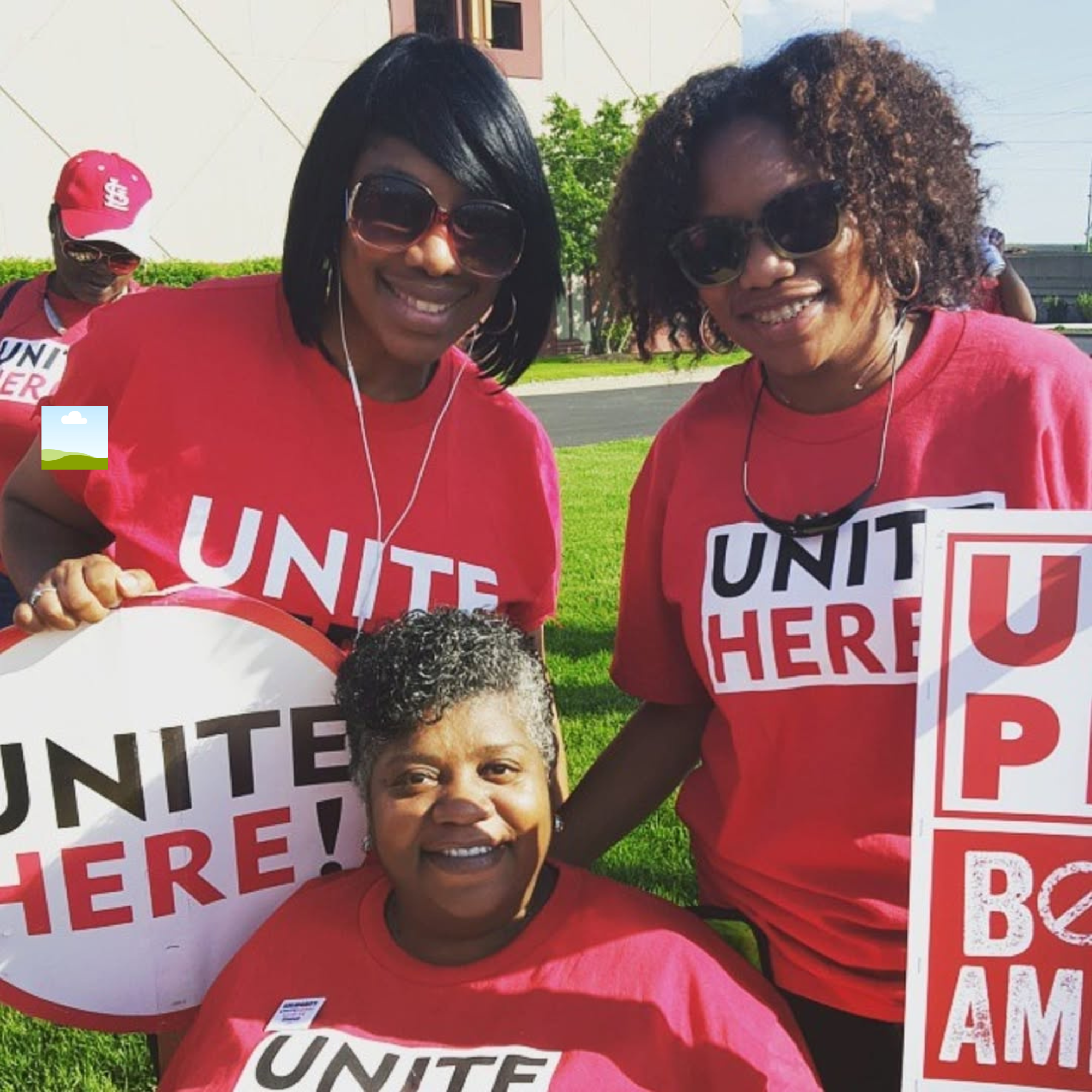
From the outside, the work was meaningful. I was deeply committed to causes, communities, and institutions I believed in. But I also saw how difficult it can be to move important work forward when the people, resources, priorities, and systems surrounding it are not aligned.
Sometimes progress stalled. Sometimes the impact fell short of what had been intended. And sometimes the very systems designed to help created unintended—or even foreseeable—consequences for the people with the least power to absorb them.
Working inside those conditions changes you. Over time, the constant negotiation between what you know is needed, what the system will allow, and what people are actually experiencing can create exhaustion, frustration, harm, and deeper questions about whether meaningful change is truly possible from within.
I began to understand that the ache I was carrying was not simply personal– it was also systemic. It lived in the distance between intention and impact—between what people cared deeply about creating and what fragmented, under-resourced, or misaligned systems actually made possible.
I could see that distance in the organizations around me. I could see it in the people working within them. And, eventually, I had to acknowledge what it was doing within me.
That was the ache I could not outperform.
That realization changed the way I understood leadership, impact, and transformation.
Today, I work with leaders, professionals, and organizations to make sense of what is happening beneath the surface.
In organizations, that may mean examining the patterns within leadership, culture, strategy, relationships, or systems that are getting in the way of intended impact.
With individuals, it may mean helping a high-achieving person examine where the life they have built, the expectations they carry, and the person they are becoming have fallen out of alignment.
The contexts are different. The deeper work often is not.
The questions that guide the work are often the same:
What is no longer working?
What are we carrying that we have learned to normalize?
Where are our values, choices, systems, and behaviors out of alignment?
And what would become possible if we responded differently?
My work now brings together research, systems thinking, leadership development, organizational effectiveness, coaching, human development, and lived experience. I am interested in performance, but not performance at any cost. I am interested in impact, but not impact that requires people to disappear inside the work.
More than anything, I am interested in alignment: the kind that allows people and organizations to become more intentional about who they are, how they operate, and what they are trying to create.
I have come to believe that when alignment shifts, the quality of what we are able to build shifts with it.
That is the work I continue to pursue. That is the work that feels most purposeful.
PEOPLE. PURPOSE. PRAXIS